
Based on Taiwan’s current energy system and infrastructure, this chart analyzes which types of electric and hybrid vehicles are the most practical and effective for reducing emissions. Taiwan’s vehicle market is diverse: internal combustion engine (ICE) vehicles have long dominated, but hybrid electric vehicles (HEVs) and battery electric vehicles (BEVs) have grown rapidly in popularity.
In 2024, Taiwan’s electricity emission factor is 0.474 kg CO₂e per kWh. Although Taiwan is not yet a highly electrified, low-emission energy system like some advanced EV markets, it holds the potential of creating a supportive environment for EV growth. Under this context, planning a strategic transition toward BEVs becomes increasingly important.
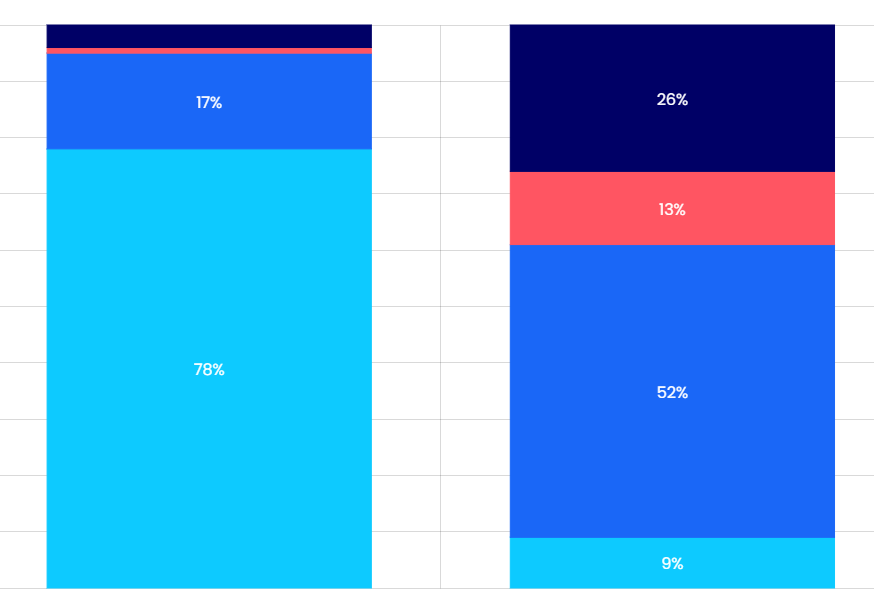
Electric Vehicle Transition in Taiwan
Planning Taiwan’s electric vehicle transition requires understanding the current vehicle fleet, the emission-reduction potential of different vehicle types, and how much carbon can realistically be reduced under Taiwan’s energy conditions. By examining changes in fleet composition, comparing emissions across scenarios, and evaluating total reduction potential, this chart highlights the optimal balance between hybrid and battery electric vehicles for Taiwan. This helps government agencies, businesses, and the public identify the most feasible and effective electrification pathways, thereby supporting sustainable transportation development aligned with Taiwan’s energy and environmental characteristics and serving as a useful reference for emission-reduction strategies in the transport sector.
- Data Year | 2024
Download
- Analysis-of-Fleet-Transition-from-Current-State-to-Sustainable-Future-1.csv
- Comparative-Analysis-of-CO2e-Emissions-Across-Fleet-Scenarios-1.csv
- Analysis-of-CO2-Emission-Reductions-Through-Fleet-Transition-Base-Fleet.csv
- Analysis-of-CO2-Emission-Reductions-Through-Fleet-Transition-Recommendation-Fleet.csv
Data Sources
Scopes Data: Taiwan’s Leap Towards Eco-Friendly Fleet Management: Navigating the BEV Transition